
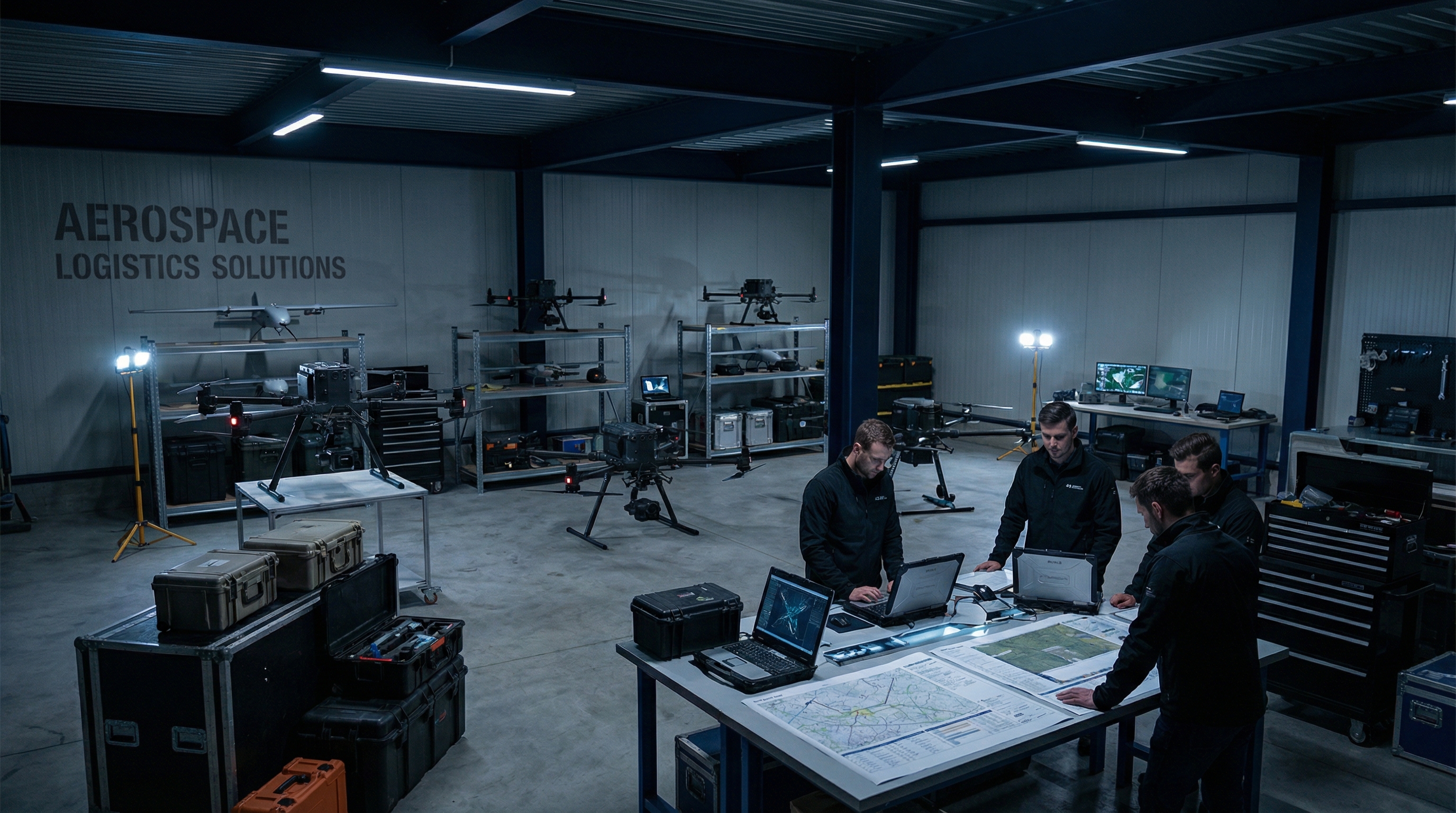
Building a successful commercial drone program requires more than just buying drones and hiring pilots. Over my years helping organizations develop comprehensive drone programs—from startups to Fortune 500 companies—I've seen the difference between operations that thrive and those that struggle. The key lies in systematic planning, regulatory compliance, and operational excellence from day one.
Strategic Planning: Laying the Foundation
Defining Your Mission and Objectives
Before selecting equipment or hiring staff, clearly define what you want to achieve with drone technology. Understanding the full range of commercial drone applications can help inform your strategy:
- Business Objectives: Cost reduction, improved safety, enhanced data collection, new revenue streams
- Operational Goals: Specific use cases, coverage requirements, frequency of operations
- Success Metrics: ROI targets, efficiency improvements, safety improvements
- Timeline: Phased rollout plan with realistic milestones
Start with the End in Mind
The most successful drone programs begin with a clear understanding of how drone technology will advance specific business objectives. Everything else—equipment, staffing, procedures—flows from this foundation.
Business Case Development
A compelling business case is essential for securing resources and ongoing support:
- Quantify costs of current methods versus proposed drone operations
- Calculate expected ROI with realistic assumptions
- Identify risk reduction benefits and safety improvements
- Document competitive advantages and strategic value
- Plan for scalability and future expansion
Regulatory Compliance Framework
Part 107 Foundation
All commercial drone programs must be built on solid Part 107 compliance:
- Pilot Certification: Ensure all pilots have current Remote Pilot Certificates
- Aircraft Registration: Register all aircraft with appropriate markings
- Operational Limitations: Understand and plan within Part 107 constraints
- Record Keeping: Establish systems for required documentation
Advanced Authorization Planning
Plan for operations beyond basic Part 107 limitations:
- LAANC Integration: Set up systems for controlled airspace operations
- Waiver Strategy: Identify operations requiring waivers (night, BVLOS, over people)
- State and Local Compliance: Research applicable state and local regulations
- Industry-Specific Requirements: Understand sector-specific regulations
Organizational Structure and Staffing
Program Leadership
Strong leadership is crucial for program success:
- Program Manager: Overall program leadership and strategic direction
- Chief Pilot: Aviation expertise and operational oversight
- Safety Officer: Risk management and safety program development
- Training Coordinator: Pilot training and currency management
Pilot Development Strategy
Building a competent pilot force requires systematic approach:
- Establish minimum qualifications beyond Part 107 certificate
- Develop standardized training programs and competency checks
- Create career progression paths and specialization tracks
- Implement recurrent training and currency requirements
- Plan for instructor development and internal training capability
Technology Stack Development
Aircraft Selection Criteria
Choose aircraft based on mission requirements, not specifications:
- Mission Fit: Payload capacity, flight time, range, weather tolerance
- Operational Considerations: Ease of operation, maintenance requirements, training complexity
- Total Cost of Ownership: Purchase price, maintenance, training, spare parts
- Support Infrastructure: Manufacturer support, training availability, parts supply
Assessment
Evaluate needs, define requirements, and establish business case
Planning
Develop operational procedures, select technology, plan staffing
Implementation
Acquire equipment, train staff, establish operations
Operations
Execute missions, collect data, optimize procedures
Ground Support Systems
Don't overlook the infrastructure needed to support drone operations:
- Ground Control Stations: Reliable, weather-protected operating locations
- Battery Management: Charging, storage, and lifecycle management systems
- Data Processing: Storage, processing, and analysis capabilities
- Maintenance Facilities: Repair capabilities and spare parts inventory
- Transportation: Secure transport for equipment and personnel
Operational Procedures Development
Standard Operating Procedures (SOPs)
Comprehensive SOPs are the backbone of safe, consistent operations:
- Pre-flight Procedures: Aircraft inspection, weather assessment, mission planning
- Flight Operations: Launch, flight execution, recovery procedures
- Emergency Procedures: Lost link, equipment failure, airspace intrusion
- Post-flight Procedures: Data retrieval, aircraft inspection, maintenance logging
- Maintenance Procedures: Scheduled maintenance, troubleshooting, repair protocols
Risk Management Program
Systematic risk management protects both operations and organization:
- Conduct comprehensive hazard identification and risk assessment
- Develop risk mitigation strategies for identified hazards
- Establish decision-making frameworks for go/no-go decisions
- Create incident reporting and investigation procedures
- Implement safety performance monitoring and metrics
Training and Competency Management
Initial Training Program
Develop comprehensive training beyond basic Part 107 requirements:
- Ground School: Advanced aerodynamics, weather, regulations, company procedures
- Simulator Training: Emergency procedures, system failures, decision making
- Flight Training: Aircraft-specific training with graduated complexity
- Mission Training: Specific operational scenarios and procedures
- Competency Validation: Written tests, practical evaluations, check rides
Ongoing Training and Currency
Maintain and improve competency through ongoing training:
- Regular recurrent training on procedures and regulations
- Emergency procedure practice and validation
- New technology and technique introduction
- Cross-training on different aircraft and missions
- Industry conference and training opportunity participation
Data Management and Analytics
Data Architecture Planning
Plan your data infrastructure to maximize value from drone operations:
- Collection Standards: Standardized data formats and collection procedures
- Storage Solutions: Cloud and local storage with appropriate security
- Processing Capabilities: Automated processing pipelines and analysis tools
- Integration Systems: APIs and interfaces with existing business systems
- Access Controls: Role-based access and data security protocols
Data is the Real Product
Remember that in most commercial drone operations, the aircraft are just data collection platforms. The real value lies in the data you collect and how effectively you can turn that data into actionable insights for your organization.
Quality Assurance and Continuous Improvement
Performance Metrics
Establish metrics to measure program effectiveness:
- Operational Metrics: Mission completion rates, flight hours, operational availability
- Safety Metrics: Incident rates, near misses, safety trend analysis
- Business Metrics: Cost savings, ROI, efficiency improvements
- Quality Metrics: Data quality, customer satisfaction, regulatory compliance
Program Evolution
Plan for growth and adaptation:
- Regular program review and optimization
- Technology upgrade planning and implementation
- Expansion into new missions and capabilities
- Lessons learned integration and best practice development
- Industry trend monitoring and strategic planning
Common Pitfalls and How to Avoid Them
Based on my experience, here are the most common mistakes organizations make:
- Technology-First Approach: Starting with cool technology instead of business needs
- Underestimating Complexity: Treating drones like any other equipment purchase
- Insufficient Training Investment: Focusing on equipment while neglecting human factors
- Regulatory Shortcuts: Trying to operate without proper compliance foundation
- Scaling Too Quickly: Expanding operations before mastering fundamentals
Building for Long-Term Success
Successful commercial drone programs share several characteristics:
- Strong leadership commitment and organizational support
- Clear business objectives and success metrics
- Robust regulatory compliance and risk management
- Investment in people and training
- Systematic approach to operations and procedures
- Commitment to continuous improvement and adaptation
Conclusion
Building a commercial drone program is a complex undertaking that requires expertise in aviation, regulations, technology, and business operations. Organizations that need guidance navigating these challenges can benefit from professional drone consulting services. Success comes from systematic planning, attention to detail, and commitment to operational excellence.
The organizations that succeed treat drone programs as strategic business capabilities, not just another tool purchase. They invest in people, processes, and systems that enable safe, efficient, and effective operations that deliver real business value.
Whether you're starting from scratch or looking to optimize an existing program, the fundamentals remain the same: clear objectives, regulatory compliance, operational procedures, competent people, and continuous improvement. Get these fundamentals right, and your drone program will be positioned for long-term success.
Remember, building a drone program is not a destination—it's a journey of continuous learning, adaptation, and improvement. The technology will evolve, regulations will change, and business needs will shift. Programs that thrive are those built with flexibility, learning, and evolution at their core.
Need Expert Drone Consulting?
UAVHQ offers professional consulting for BVLOS waivers, Part 107/108 compliance, enterprise drone programs, and regulatory strategy. 25+ years of aviation expertise at your service.
Explore Our Services →