
TSA Opens BVLOS Security Roundtables: The October 19 Operator Window
TSA is recruiting BVLOS operators for closed security roundtables. Requests are due October 19. Here is who qualifies and what operators should prepare now.
Operator intelligence on FAA regulations, BVLOS operations, and commercial drone industry developments — from a Former Insitu/Boeing ScanEagle Commercial Chief Test Pilot with 25+ years of aviation experience.
TSA is recruiting BVLOS operators for closed security roundtables. Requests are due October 19. Here is who qualifies and what operators should prepare now.
Showing the newest 12 briefings to keep the archive readable. Use category filters for focused scans.
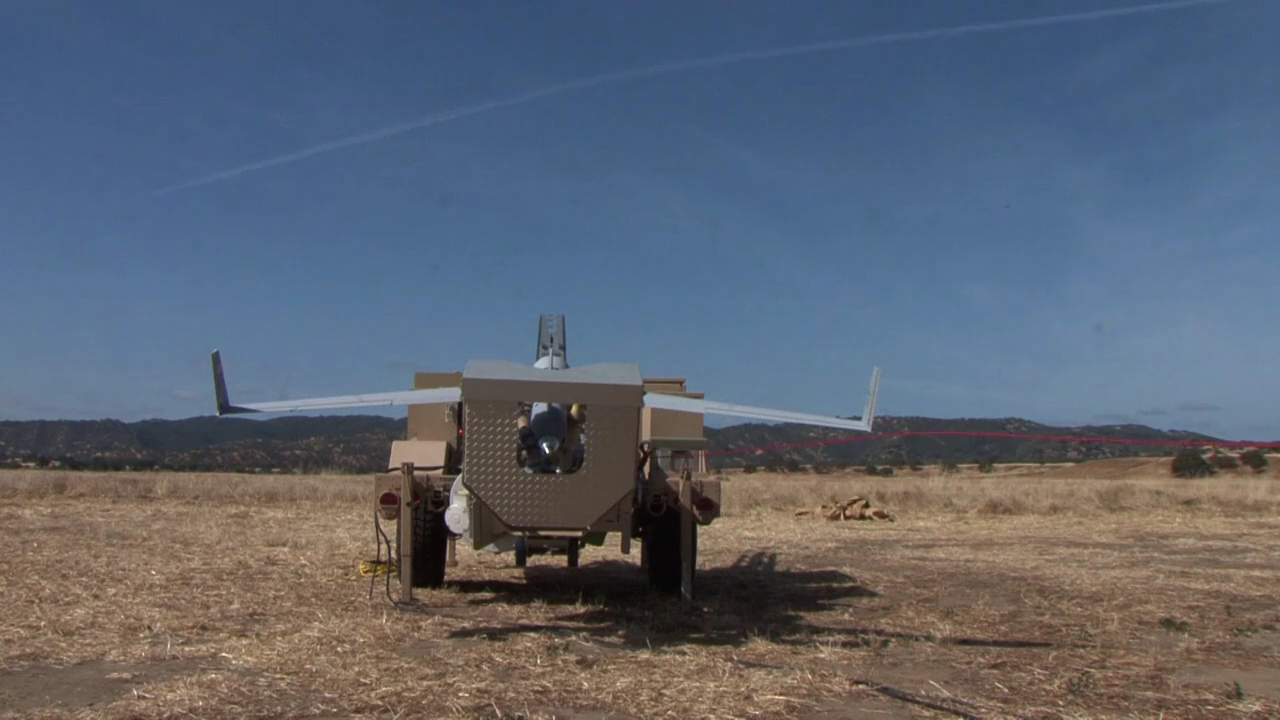
Runway-independent isn't infrastructure-free. How ScanEagle's traditional rail launch and Skyhook recovery work, and the procurement questions they raise.

As of a September 15 check, the FAA's public drone NEPA page lists no Tracy, CA entry for Amazon Prime Air. What that absence does and doesn't tell you.

On September 11 the FAA posted Zipline's Draft Environmental Assessment for Houston, San Antonio, Austin, Amarillo, and El Paso and invited public comments through October 11, 2026. The proposal's evaluated maximums: up to 220 charging towers, 4,400 pickup kiosks, 220,000 deliveries and 660,000 aircraft transits per day, at 330 feet AGL. Those are proposed ceilings under review, not current or authorized operations. The last comparable Zipline filing drew exactly one public comment. Here is what operators should actually read in this one — status as of September 15, 2026.

The comment record on the SAFER SKIES counter-UAS interim final rule closed September 4. The departments project roughly 1,500 agencies at the detection tier within two years — a projection, not a deployment count. The operator read on flying legally as the detection environment grows, drawn from the rule's actual text.

The FAA's draft environmental filing for Amazon's Baton Rouge delivery hub reports a maximum A-weighted sound exposure level of 92.1 dB for the delivery phase, in the 25-foot row of a table whose distance column reads 'Distance to PADDC' — a metric that folds a whole noise event into one second, not a peak-loudness reading. The same draft proposes, and does not itself authorize, up to 1,000 flights a day. Here is how to read the filing accurately, and why the reading matters for every operator who flies over homes.

BVLOS authority and insurance coverage answer different questions. As of bounded official checks through September 15, no final Part 108 rule was found. What to ask your broker and counsel.
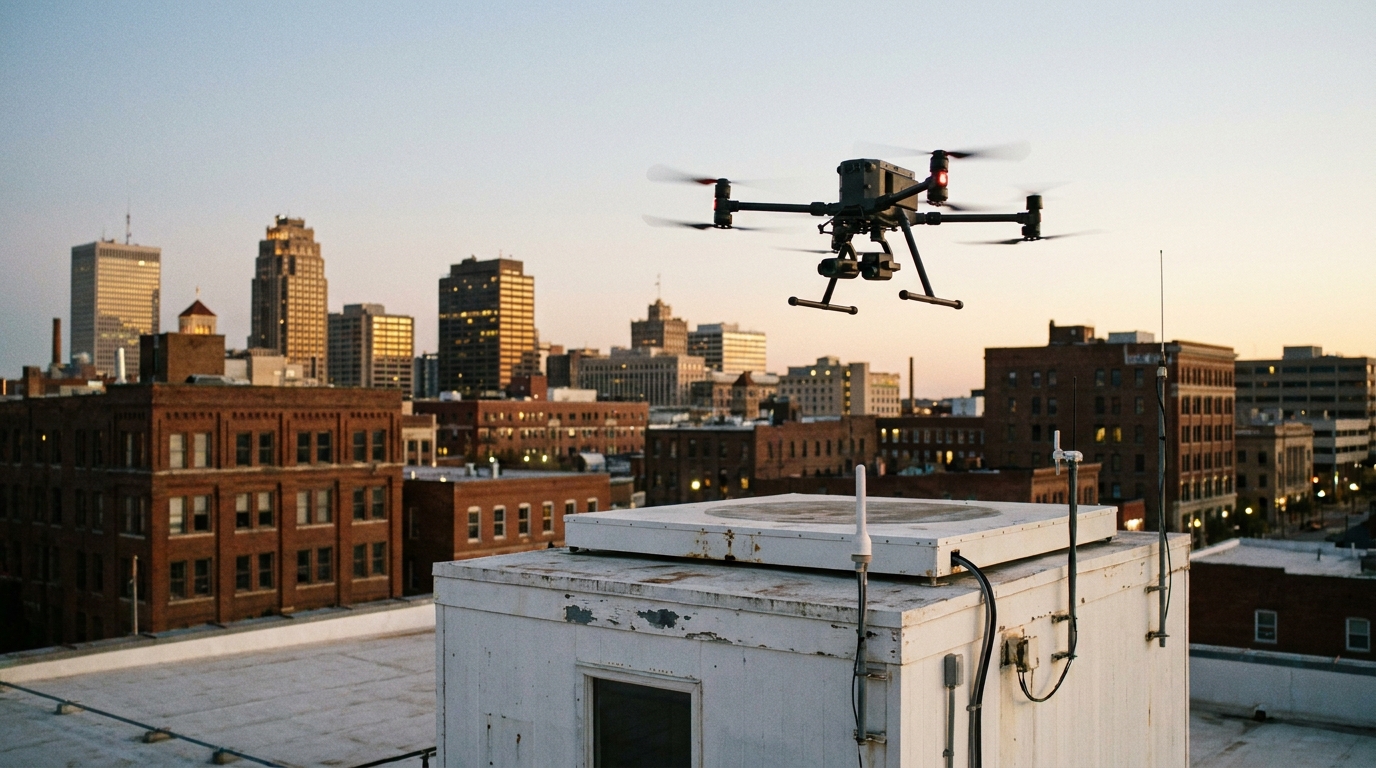
Springfield, Missouri police can now launch drones to 911 calls from two rooftop docks, 24 hours a day. The headline is the hardware. The program is the 40 to 50 trained pilots behind it, the policy rules that keep it defensible, and the staffed real-time information center still to come. Here is what public-safety program managers should take from it.

The comment window on the FCC's military-grade drone prohibition closed September 2 with a record that is 98.6% opposed as written, per a full-docket analysis. The Bureau can now issue an order whenever it chooses, with a proposed 180-day wind-down. Here is what the record actually shows, the legal questions the FCC has to answer, and how operators running thermal, LiDAR, dock, or spray hardware should sequence fleet procurement while the outcome is unknowable.

A Zipline drone deployed its parachute and came down on Highway 6 near Cypress. What the event does and doesn't establish about delivery drone safety, and the questions operators should be asking.
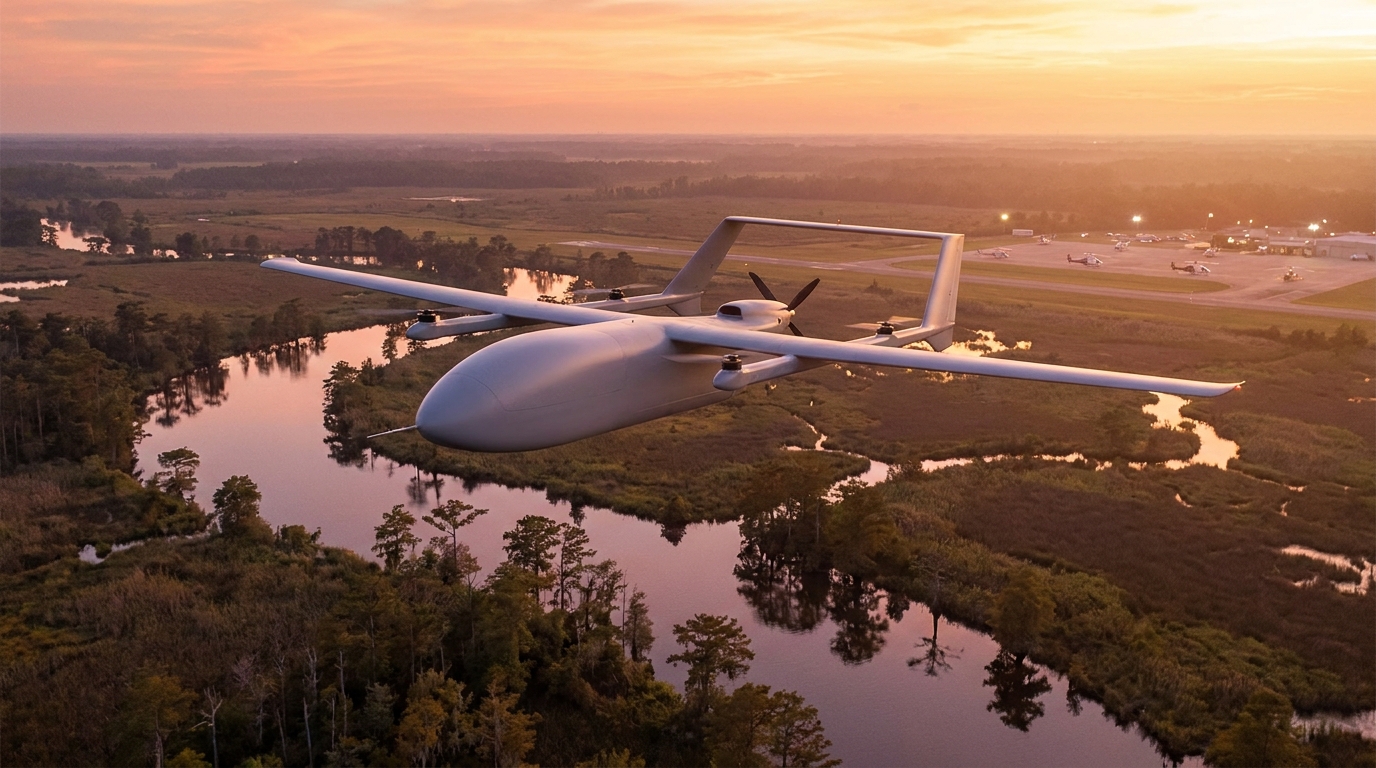
The first uncrewed cargo flights under the FAA's eIPP happened at Houma, Louisiana. Here is what was actually authorized, why the FAA and Elroy describe it differently, and what cargo-drone operators should do with the signal.
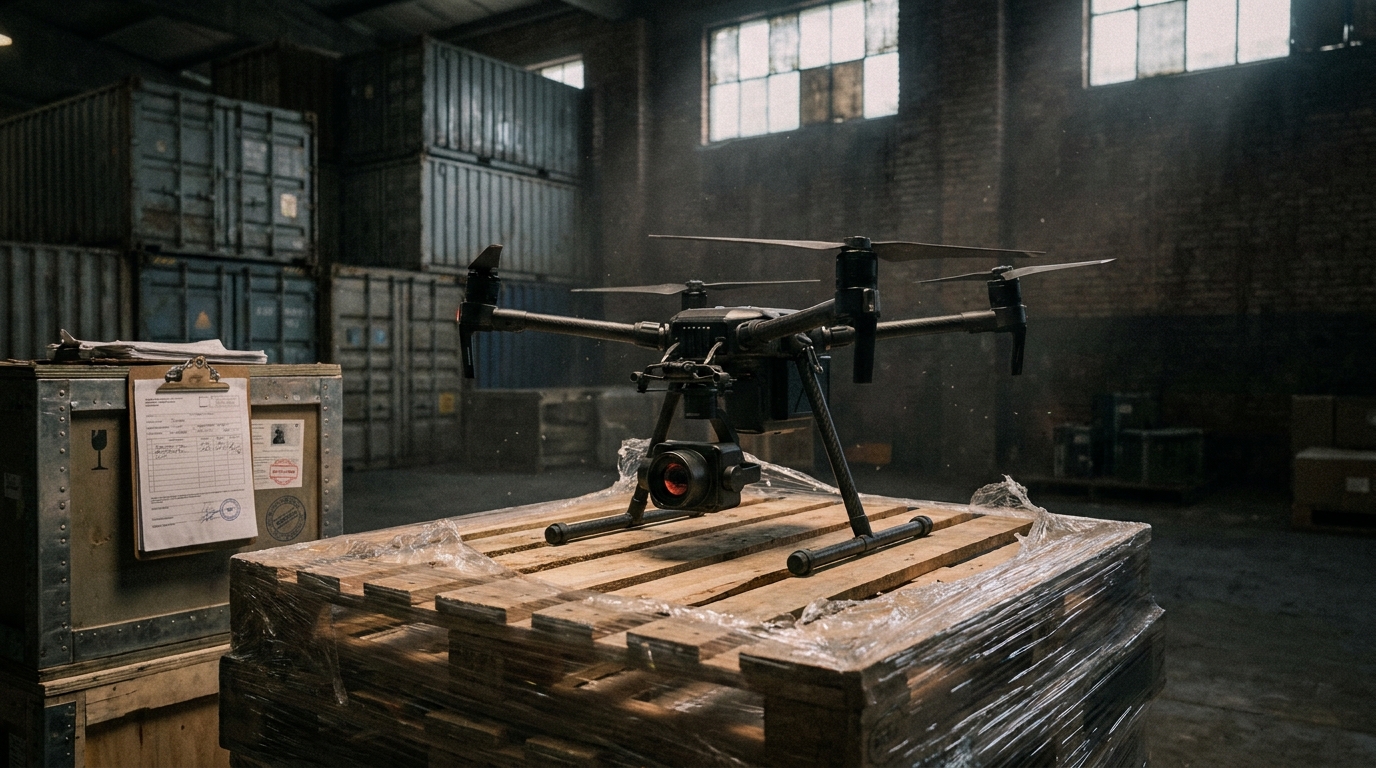
Section 232 drone tariffs took effect September 3, 2026: 100% on drones over 25 kg or with thermal imaging, plus docking stations and critical components, and 25% on smaller aircraft. Here is the operator read on what is actually covered, the allied-country carve-outs, the onshoring relief path, and how to sequence fleet purchases before the February 2027 component wave.
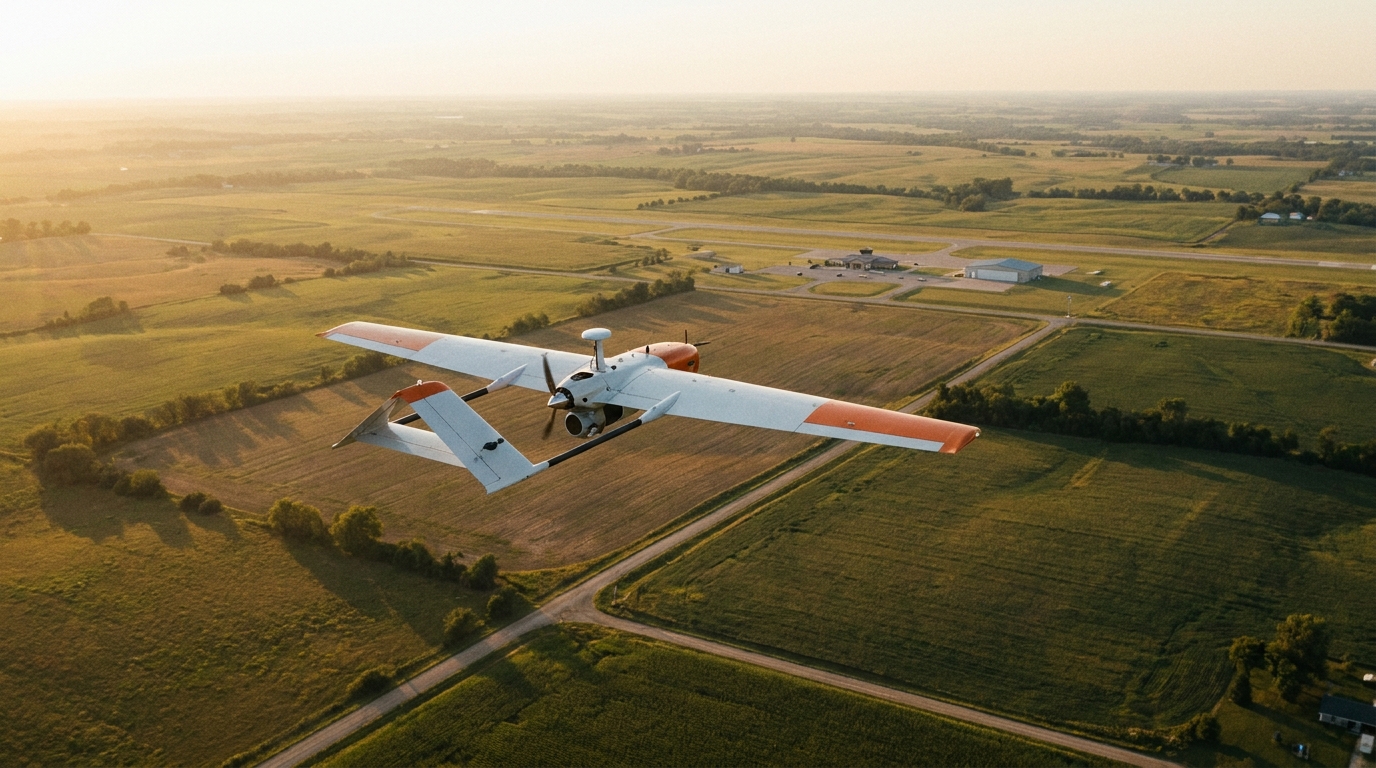
The FAA has released the competitive solicitation for BEYOND Phase 2, doubling the program with up to eight new state, local, tribal, and territorial lead participants. Questions close September 3 and proposals are due September 10. Here is the operator read on what the FAA is asking for, who should team, and how commercial operators get on a winning proposal.
No briefings in this category yet.
UAVHQ is not currently accepting new consulting clients. Existing commitments remain supported; select time-sensitive safety or regulatory inquiries may be reviewed as availability allows.