UAVHQ Playbook Part 108 BVLOS Readiness Playbook Operators who prepare now will fly first. View playbook →

Tactical Briefings

Operator intelligence on FAA regulations, BVLOS operations, and commercial drone industry developments — from a Former Insitu/Boeing ScanEagle Commercial Chief Test Pilot with 25+ years of aviation experience.

Latest Articles

Showing the newest 12 briefings to keep the archive readable. Use category filters for focused scans.

RSS Feed →
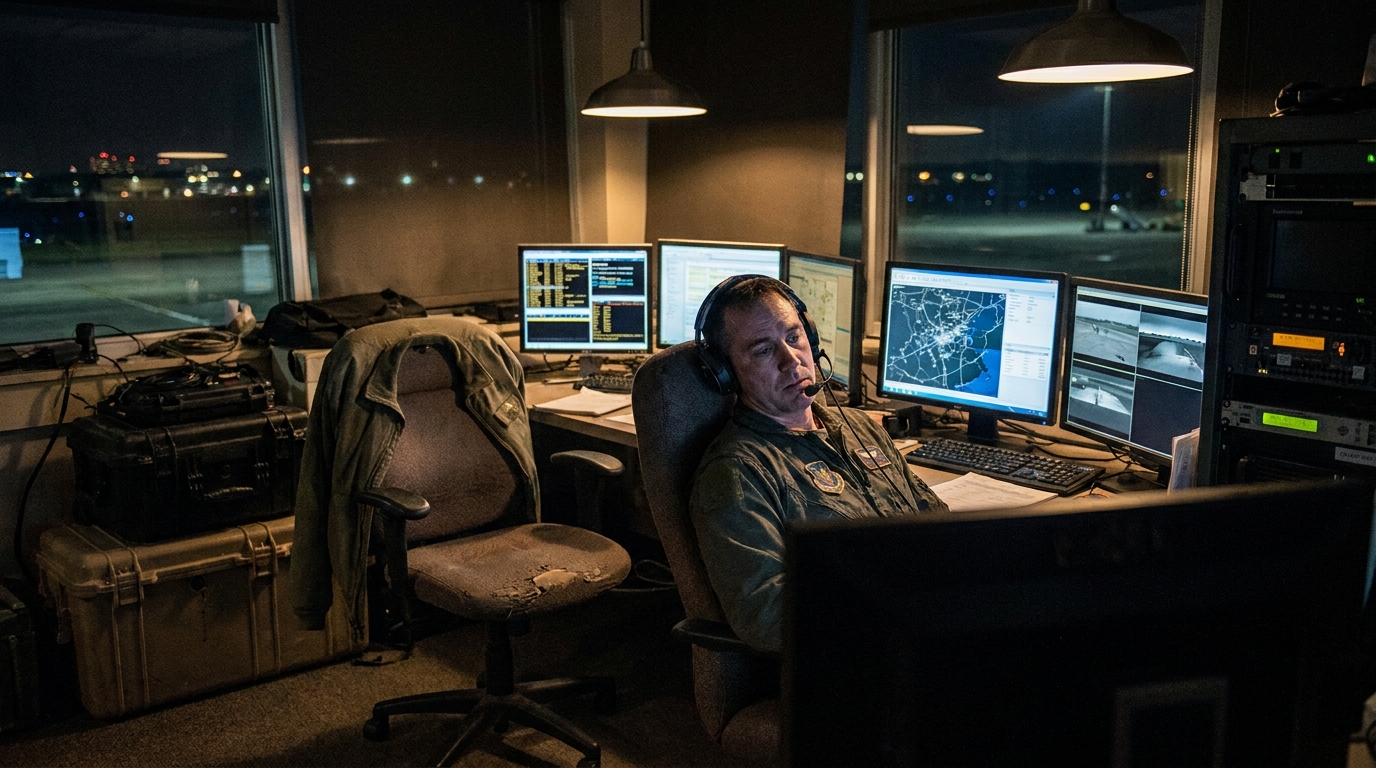
A single remote pilot at a dimly lit ground control station monitoring multiple telemetry screens late at night, face illuminated by the displays, an empty second operator chair beside them

BVLOS Will Break at the Human, Not the Drone. The Fatigue File Nobody Is Requiring Yet.

As BVLOS scales, regulators have poured effort into airframes, airspace, and Remote ID while the remote pilot's workload and fatigue remain almost unregulated. A July 2026 DRONELIFE analysis maps how the FAA, EASA, the UK CAA, ICAO, and others are and are not addressing human factors. Under Part 108 the pilot risk does not disappear, it relocates to the console. Here is where the regulatory gap sits, what military UAS learned the expensive way, and the fatigue and CRM documentation commercial operators should build now.

By Wesley Alexander July 29, 2026 regulatory · commercial · public-safety 8 min read
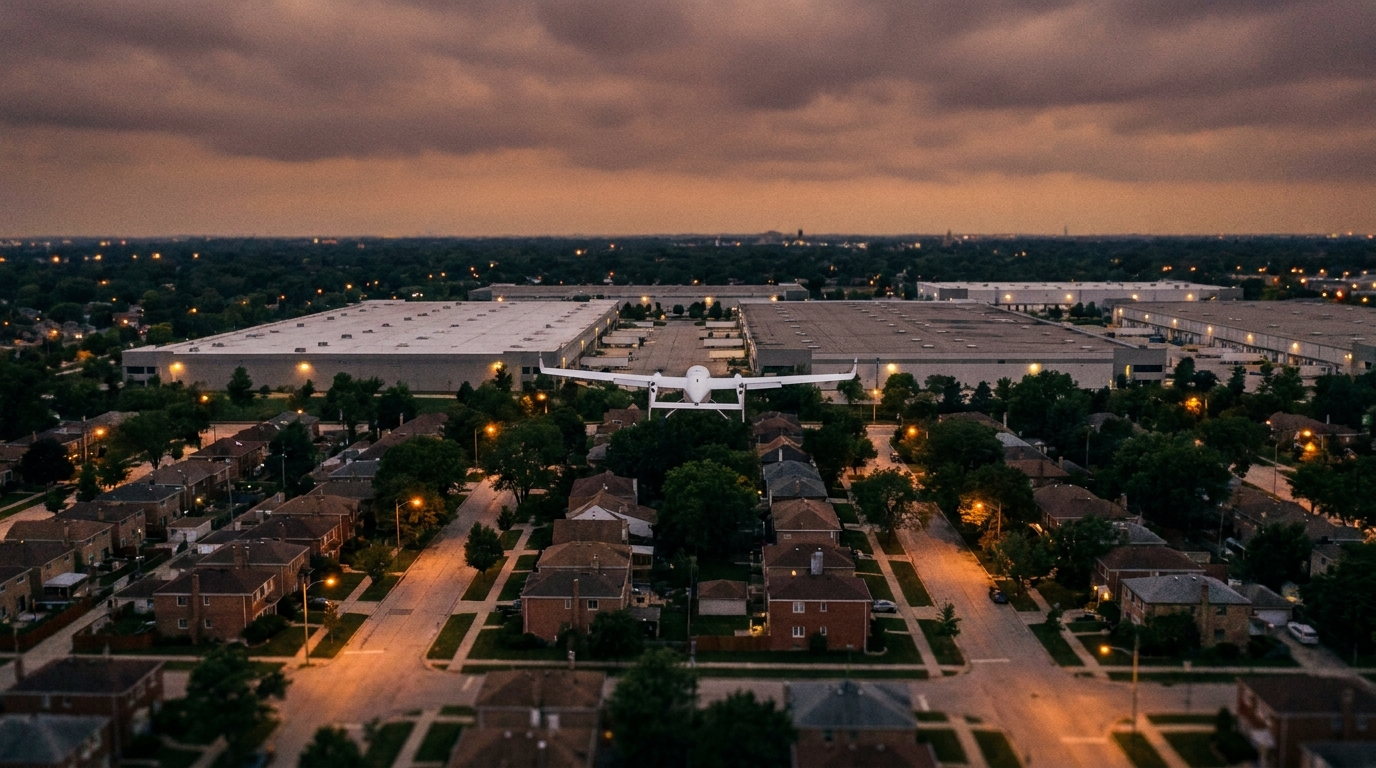
A small package delivery drone in wing-borne flight above a Chicago-area suburban neighborhood at dusk, warehouse rooftops and residential streets receding under an overcast sky

Amazon Wants 1,000 Drone Flights a Day From Each Chicago Hub. Comments Close August 14.

The FAA opened a 30-day comment window, July 15 to August 14, 2026, on the Draft Environmental Assessment for Amazon Prime Air's proposed MK30 drone delivery expansion across metro Chicago. Three new delivery centers, up to 1,000 flights a day at each, 174 square miles of operating area apiece. This is the NEPA gate on Amazon's OpSpecs amendment, and it is the only formal point where operators and residents shape the record. Here is the operator read on what the EA proposes and why the noise methodology is the contested ground.

By Wesley Alexander July 28, 2026 regulatory · commercial · industry 8 min read
An engineer's gloved hands inspecting the exposed circuit board of a commercial drone ground control radio under bright bench lighting, components and antenna connectors visible in sharp detail

The FCC Just Closed the Component Loophole. Your Drone Supply Chain Is Now in Scope.

On July 22, 2026, the FCC adopted a Third Report and Order closing the Covered List component-part loophole and opened a Third Further Notice proposing bill-of-materials disclosure and a rebuttable presumption against any device using Covered List components. Paired with a July 17 proposal to pull authorizations from already-approved foreign drones, the equipment-authorization net just tightened around the whole UAS supply chain, not just the airframe. Here is the operator read, the open comment windows, and what to document now.

By Wesley Alexander July 23, 2026 regulatory · commercial · industry 8 min read
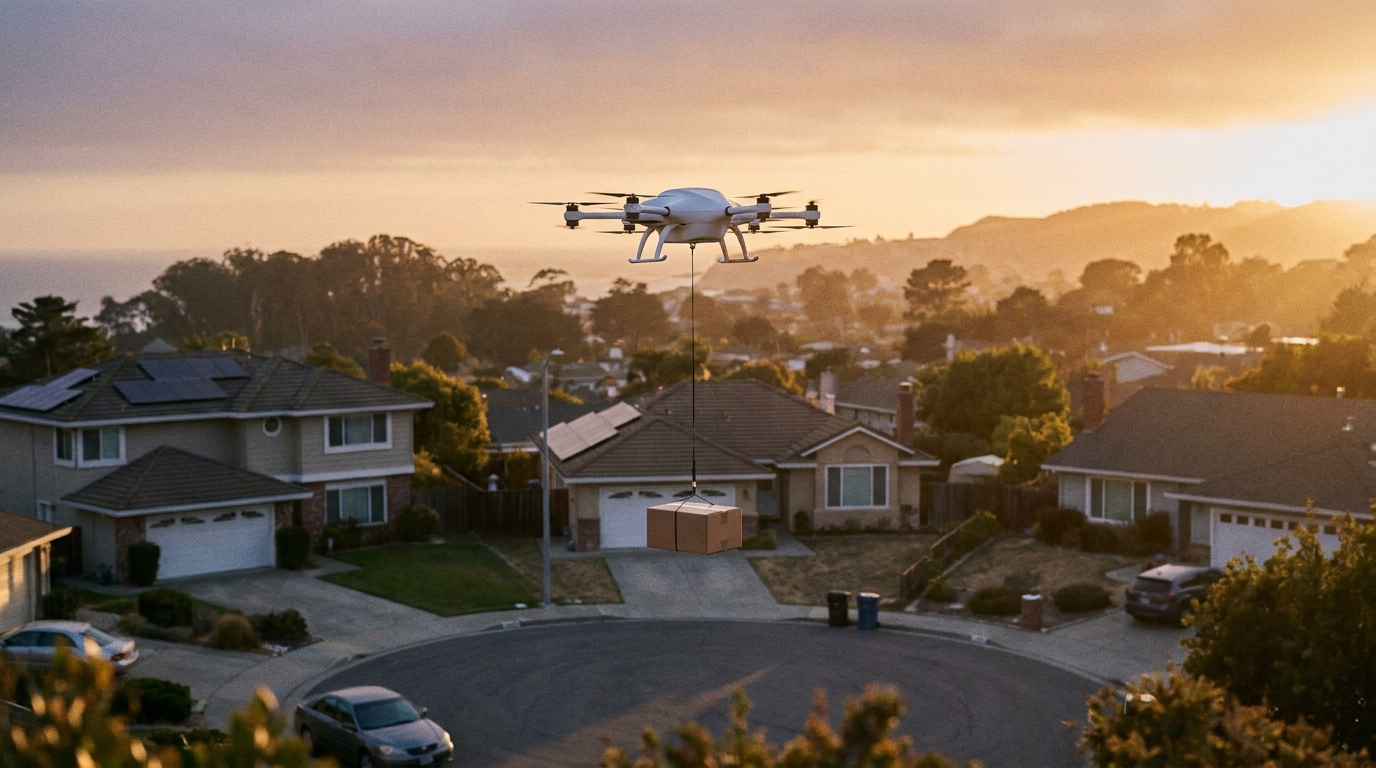
A white autonomous delivery drone lowering a package by tether over a suburban California cul-de-sac at golden hour, with distant coastal hills and rooftops receding under a clear sky

Matternet's Real Moat Is Not the Drone. It Is the Part 135 Operator Network.

On July 15, 2026, Matternet added Beeline UAS to its Part 135 operating network alongside UPS Flight Forward and Ameriflight, opening BVLOS delivery expansion in the San Francisco Bay Area and the Los Angeles metro. The headline is a partnership. The real story is a structural shift in where the defensible advantage in U.S. drone delivery now sits: the Type Certificate plus a stable of air carrier certificate holders, not the aircraft itself. Here is the operator read.

By Wesley Alexander July 17, 2026 commercial · regulatory · industry 8 min read
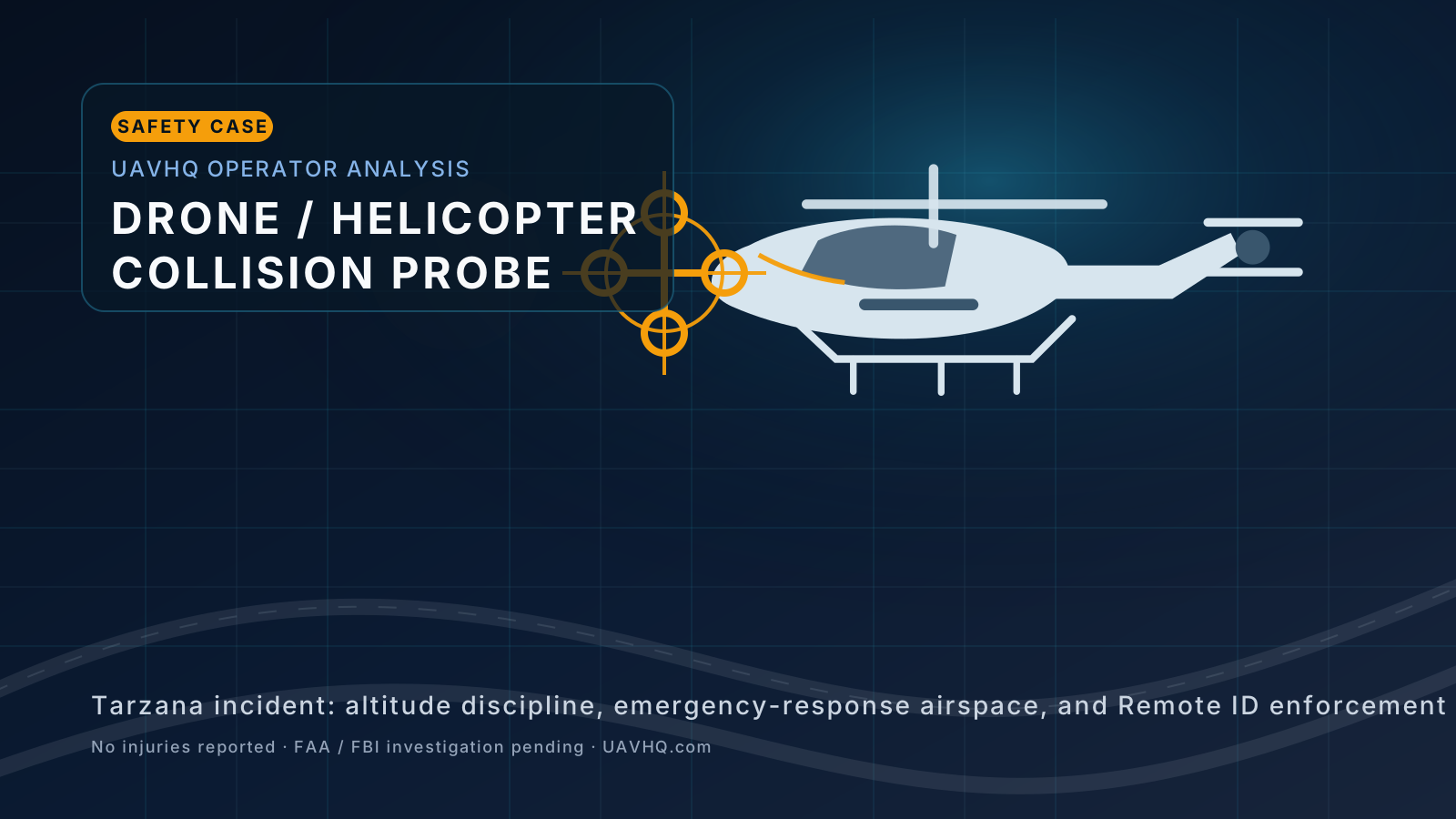
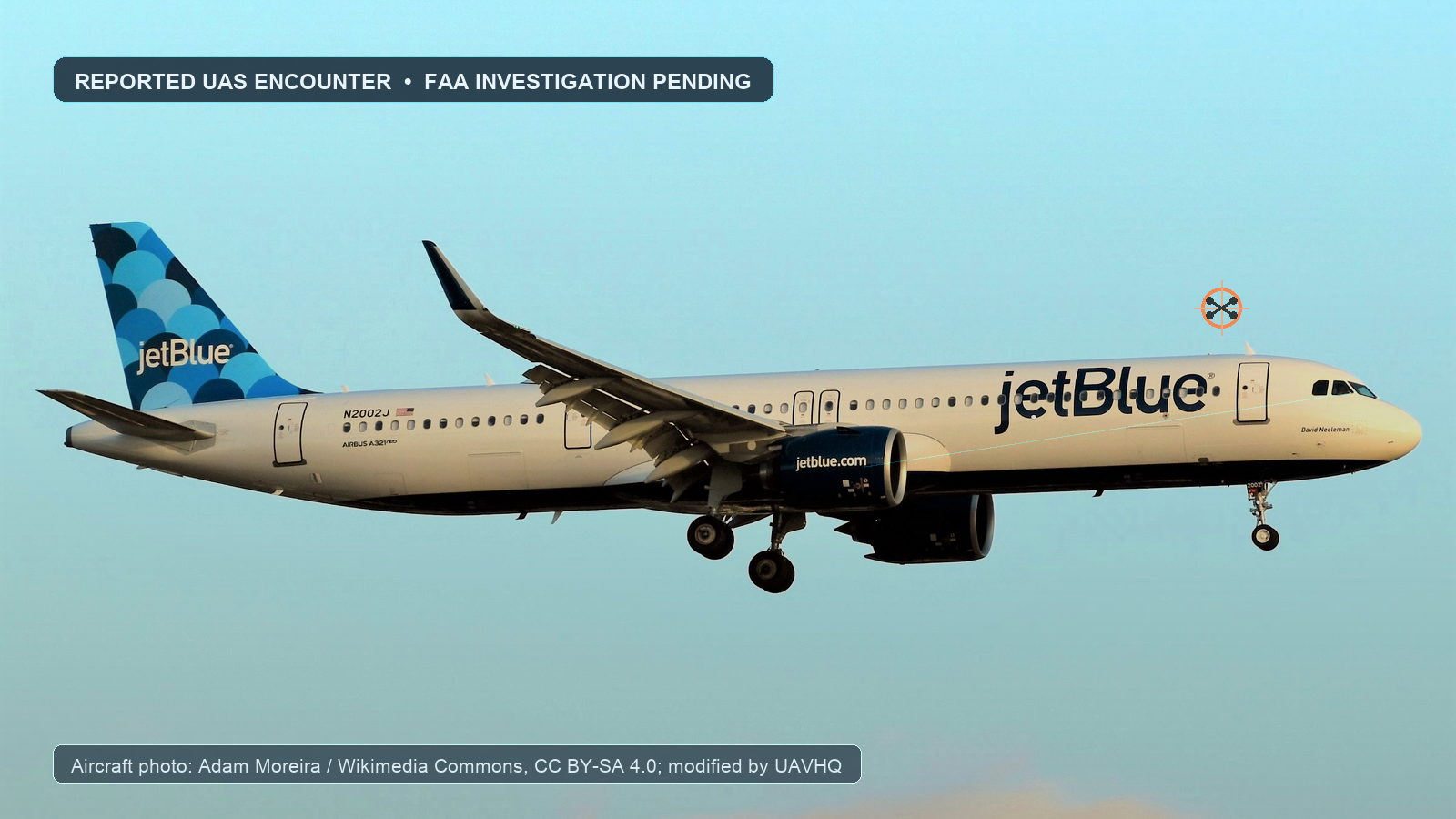
UAVHQ editorial graphic showing a police helicopter, small drone, airspace grid, and investigation markers over a Los Angeles freeway corridor

LAPD Helicopter Drone Collision in Tarzana: The Operator Lesson Is Altitude Discipline

The FAA and FBI are investigating after a reported drone collision damaged an LAPD AS350 helicopter windshield over Tarzana. No injuries were reported, but the operator lesson is immediate: altitude discipline, emergency-response airspace awareness, and documentation still decide whether drones are seen as aviation assets or aviation hazards.

By Wesley Alexander July 10, 2026 Safety · Regulatory 7 min read
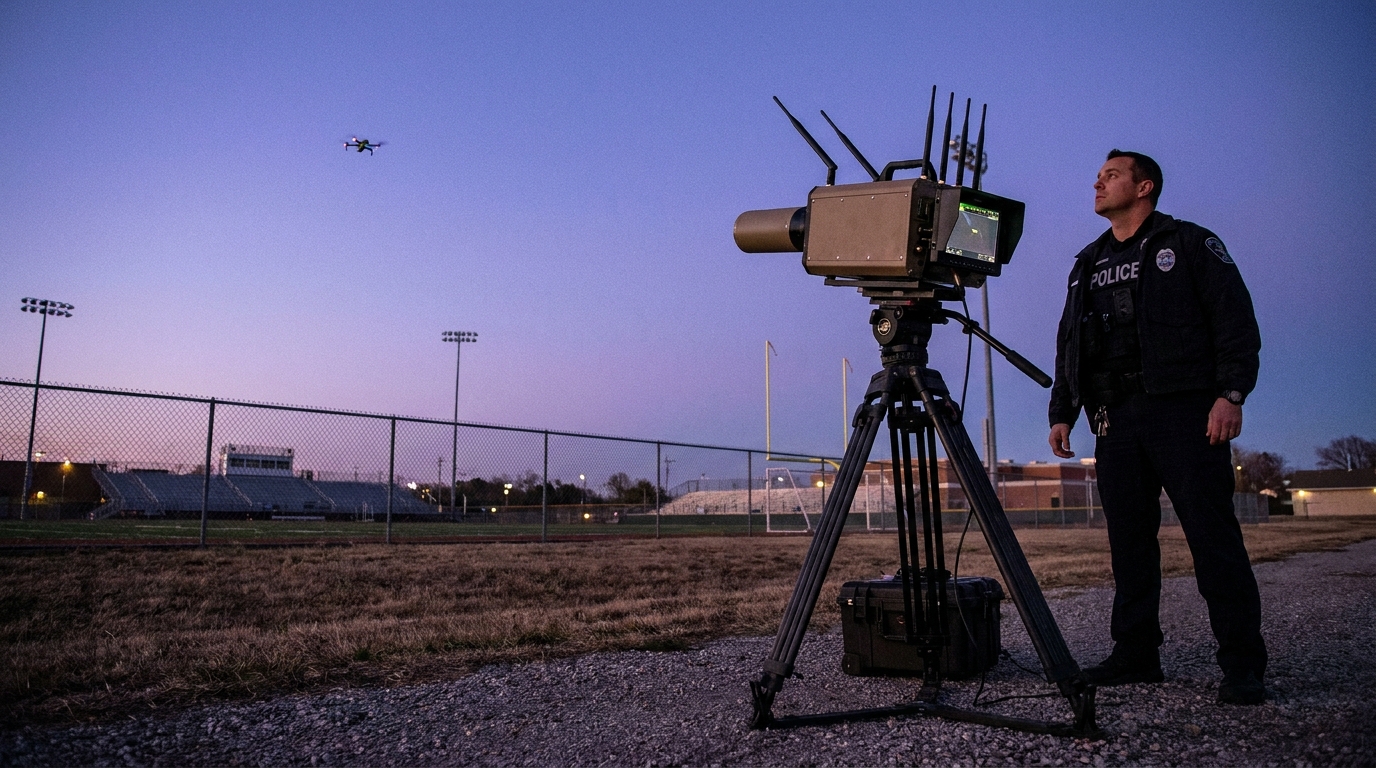
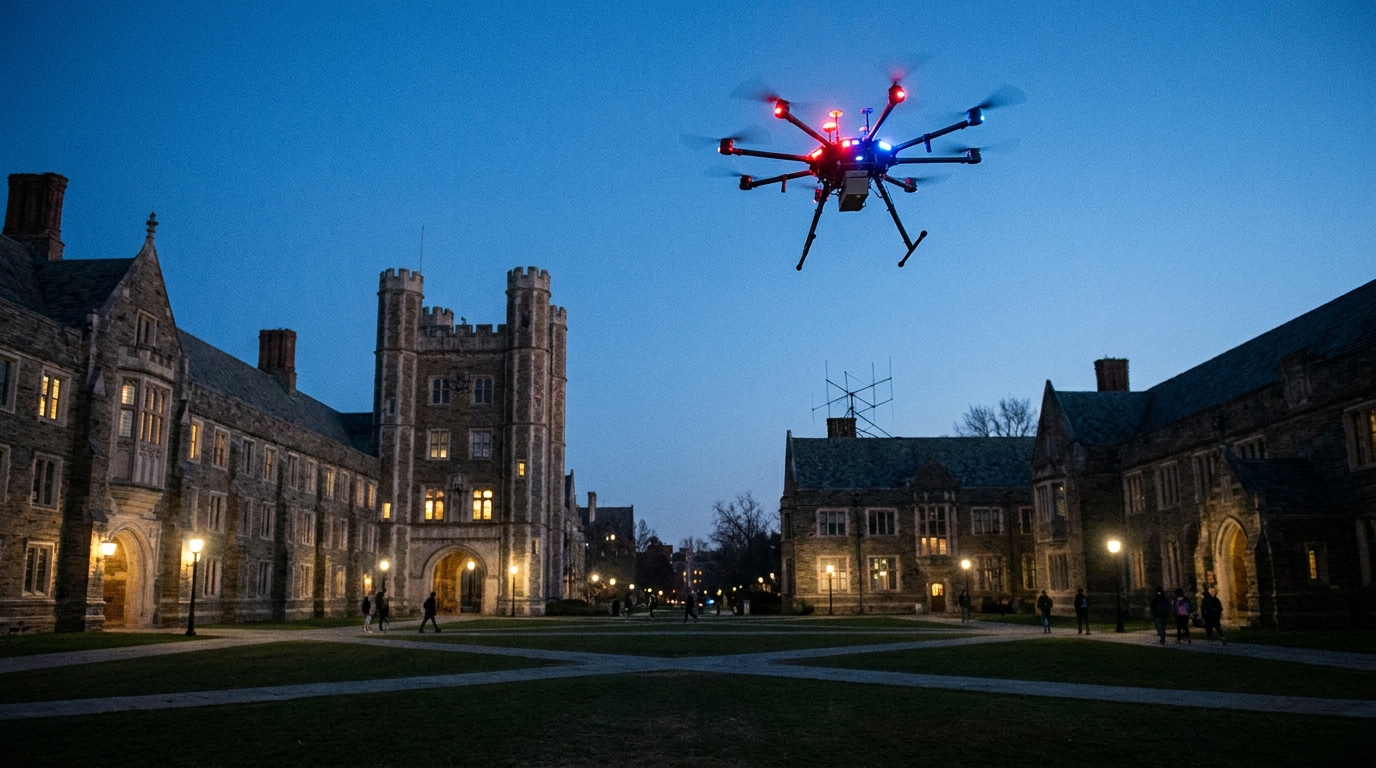
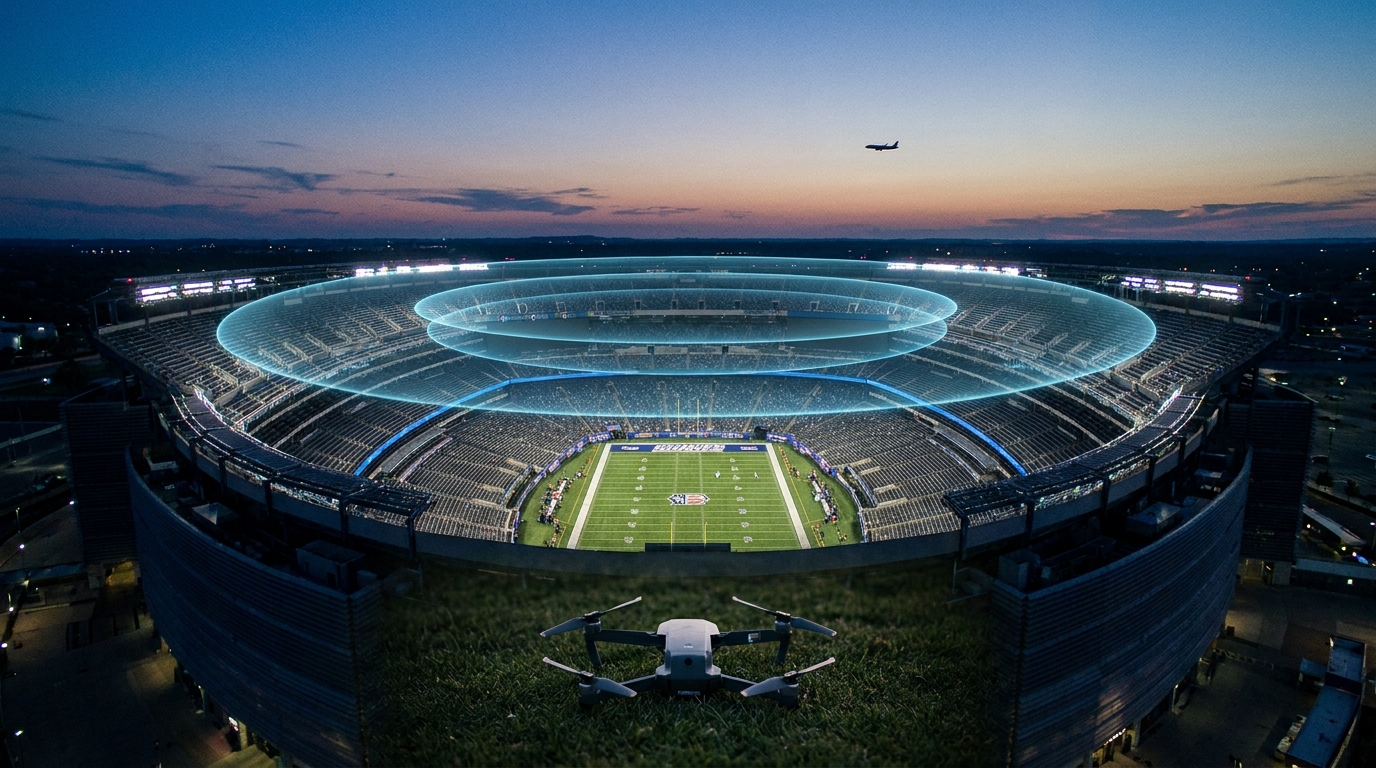
A police-operated counter-drone detection unit on a tripod scanning the sky near a fenced stadium at dusk, with a small commercial quadcopter visible in the distance holding position

Local Police Can Now Jam and Seize Drones. What Legal Operators Need to Know About the SAFER SKIES Counter-UAS Rule.

DHS and DOJ published an interim final rule on July 6, 2026 that lets trained state and local police and correctional agencies detect, jam, and seize drones under the SAFER SKIES Act. It took effect July 1 and comments close September 4. Here is the operator read: where your lawful flight now carries mitigation exposure, what the FCC spectrum actions changed, and exactly what to document before you fly near an event, prison, or critical-infrastructure site.

By Wesley Alexander July 8, 2026 regulatory · public-safety · commercial 9 min read
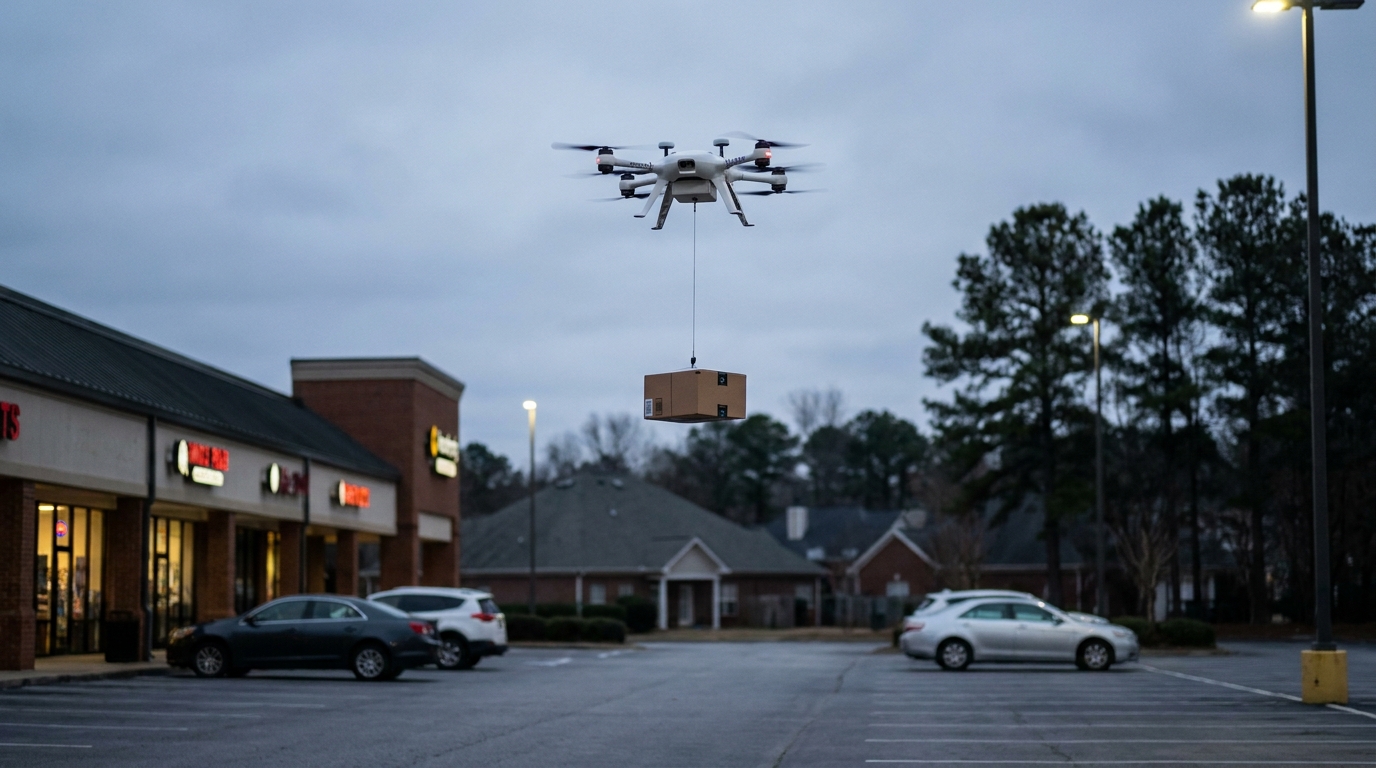
A small package delivery drone hovering over a suburban Atlanta retail parking lot at dusk with a lowered tether package, rooftops and pine treelines receding under an overcast sky

Wing's Atlanta Drone Delivery Has an August 1 FAA Clock. Here Is What the Draft EA Actually Puts on the Table.

The FAA opened a 30-day public comment window, July 2 to August 1, 2026, on the Draft Environmental Assessment for Wing Aviation's proposed drone package delivery expansion across metro Atlanta. This is the OpSpecs amendment gate, and it names roughly 40 nest sites. Here is the operator read on what the EA proposes, why approval does not equal launch readiness, and how to file a comment that counts.

By Wesley Alexander July 6, 2026 regulatory · commercial · industry 7 min read
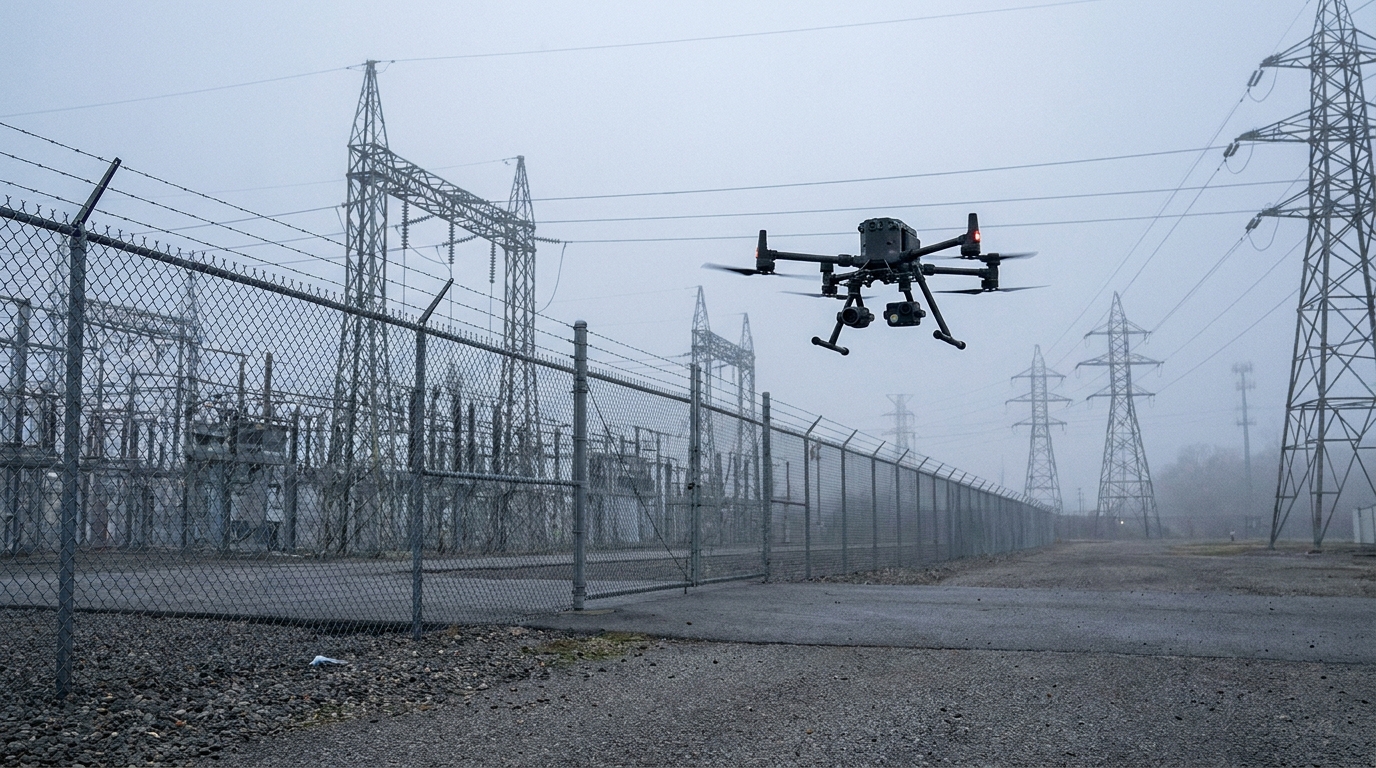
Commercial inspection drone holding position at a distance from a fenced electrical substation and industrial facility under an overcast morning sky, with transmission towers receding into the background

The FAA Just Extended the Section 2209 Comment Window to August 5. Here Is Why the Delay Matters and What to Do With the Extra 30 Days.

After more than 900,000 comments, the FAA extended the Section 2209 NPRM comment period from July 6 to August 5, 2026 under docket FAA-2026-4558. The extension is not a reprieve, it is a signal. Here is the operator read on what the delay means, the sensitive-information and definition problems experts are flagging, and exactly how commercial pilots should use the extra window.

By Wesley Alexander July 2, 2026 regulatory · commercial · public-safety 8 min read
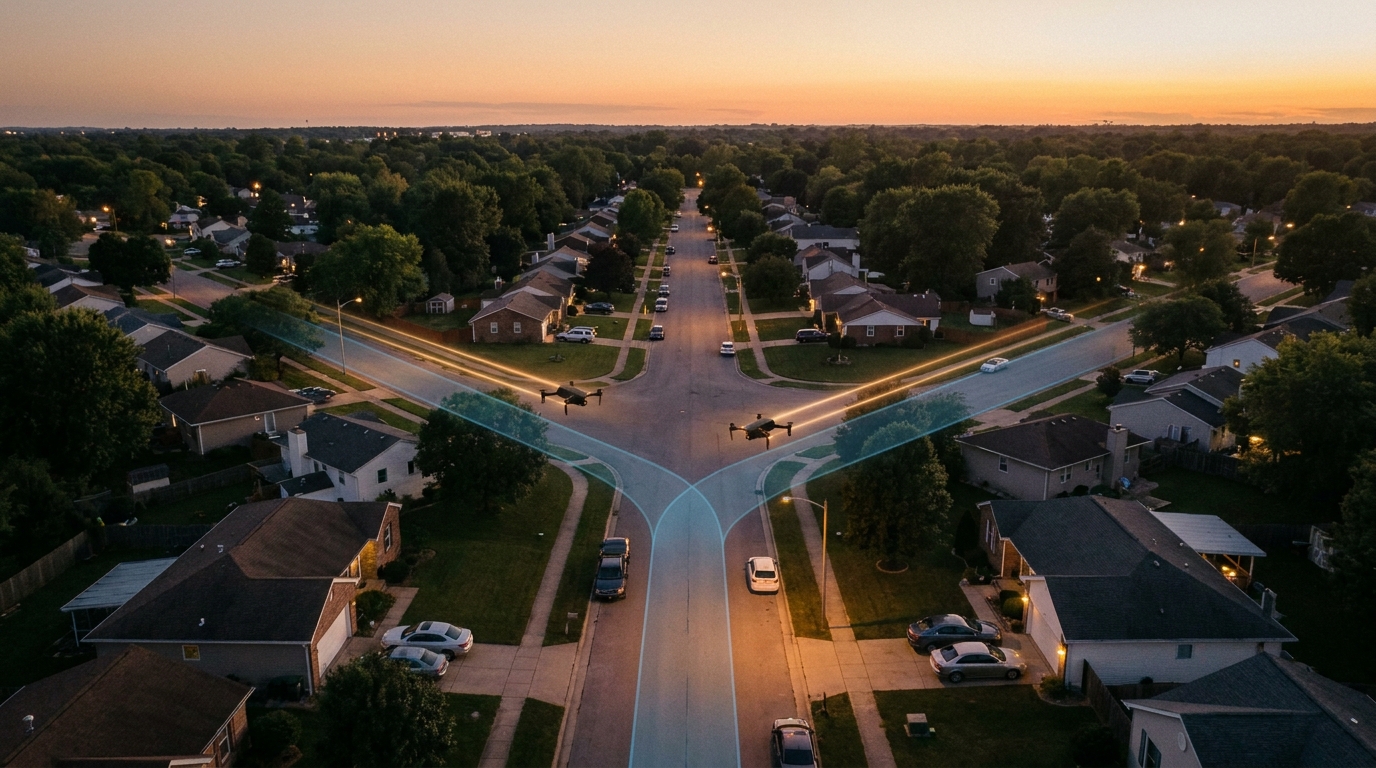
Two commercial delivery drones flying converging paths over a suburban Texas neighborhood at dusk, with faint route corridors visualized in the sky

Flytrex and Wing Just Flew 8,000 Overlapping Deliveries With Zero Conflicts. Here Is What UTM Actually Solved, and What It Did Not.

On June 25, 2026, Flytrex reported that automated UTM coordination with Wing deconflicted 100% of intents across roughly 8,000 overlapping delivery flights in the Dallas-Fort Worth metroplex, with zero airspace conflicts. The number is real and the milestone matters. But strategic deconfliction is not tactical separation, and every operator sharing that low-altitude volume should understand exactly which problem the ASTM F3548-21 framework does and does not cover.

By Wesley Alexander July 1, 2026 commercial · regulatory · industry 8 min read
Commercial inspection drone hovering at a safe distance from an electrical power substation and chemical plant at dusk, with high-voltage transmission towers in the background

The FAA's Section 2209 Drone Rule Closes for Comment July 6. Here Is What Every Commercial Operator Should Read Before the Window Shuts.

The FAA's long-awaited Section 2209 NPRM, proposing new 14 CFR Part 74 and a petition process for critical-infrastructure sites to restrict drone operations, closes for public comment on July 6, 2026 under docket FAA-2026-4558. Here is the operator read on UAFRs, the Part 91/107/108/135/137 transit carve-out, Remote ID requirements, and what to file before the window closes.

By Wesley Alexander June 26, 2026 regulatory · commercial · public-safety 8 min read

Consulting Intake Paused

UAVHQ is not currently accepting new consulting clients. Existing commitments remain supported; select time-sensitive safety or regulatory inquiries may be reviewed as availability allows.

View Availability Status →